
Understanding UV Chlorine Degradation: How the Sun is Eating Your Pool’s Chlorine
The impact of ultraviolet (UV) radiation on swimming pool chlorine levels is a critical concern for pool owners, especially in sunny regions like Texas. UV rays can significantly degrade chlorine, leading to reduced effectiveness in sanitizing pool water. This article will explore the mechanisms behind UV-induced chlorine loss, the role of cyanuric acid as a stabilizer, and practical strategies for maintaining proper chlorine levels. Understanding these factors is essential for ensuring a clean and safe swimming environment. We will also discuss how Texas pool owners can effectively combat chlorine degradation and the benefits of professional pool services in this regard.
How Does Sunlight Cause Chlorine Loss in Swimming Pools?
Sunlight plays a significant role in the degradation of chlorine in swimming pools, primarily through the action of UV radiation. UV rays break down chlorine molecules, leading to a decrease in their concentration and effectiveness. This process not only affects the sanitation of the pool but also increases the need for additional chlorine to maintain safe water quality. Understanding how sunlight impacts chlorine levels is crucial for effective pool management.
What is UV Radiation and Its Effect on Pool Chlorine?
UV radiation is a type of electromagnetic radiation emitted by the sun, which can penetrate the surface of the water in swimming pools. When chlorine is exposed to UV rays, it undergoes a chemical reaction that leads to its breakdown. This degradation results in a significant loss of chlorine, which is essential for keeping pool water clean and free from harmful pathogens. The presence of stabilizers, such as cyanuric acid, can help mitigate this effect by protecting chlorine from UV degradation.
Further research delves into the specific chemical reactions involved in this degradation process.
UV Chlorine Photolysis: Understanding Degradation Mechanisms
The photolysis of chlorine by ultraviolet radiation (UV/chlorine) produces HO˙ and Cl˙, part of which further transforms into reactive chlorine species (RCS) like Cl2˙−and ClO˙. These radicals are responsible for the advanced oxidation effect of UV/chlorine processes.
State of the art of UV/chlorine advanced oxidation processes: Their mechanism, byproducts formation, process variation, and applications, N Kishimoto, 2019
How Much Chlorine Can Sunlight Degrade Daily?
Research indicates that sunlight can degrade chlorine levels in swimming pools by approximately 50% to 90% within a single day, depending on factors such as the intensity of sunlight and the presence of stabilizers. This rapid loss underscores the importance of regular monitoring and adjustment of chlorine levels, especially during peak sunlight hours. Pool owners should be vigilant in testing their water and adding chlorine as needed to ensure optimal sanitation.
What Role Does Cyanuric Acid Play as a Pool Chlorine Stabilizer?
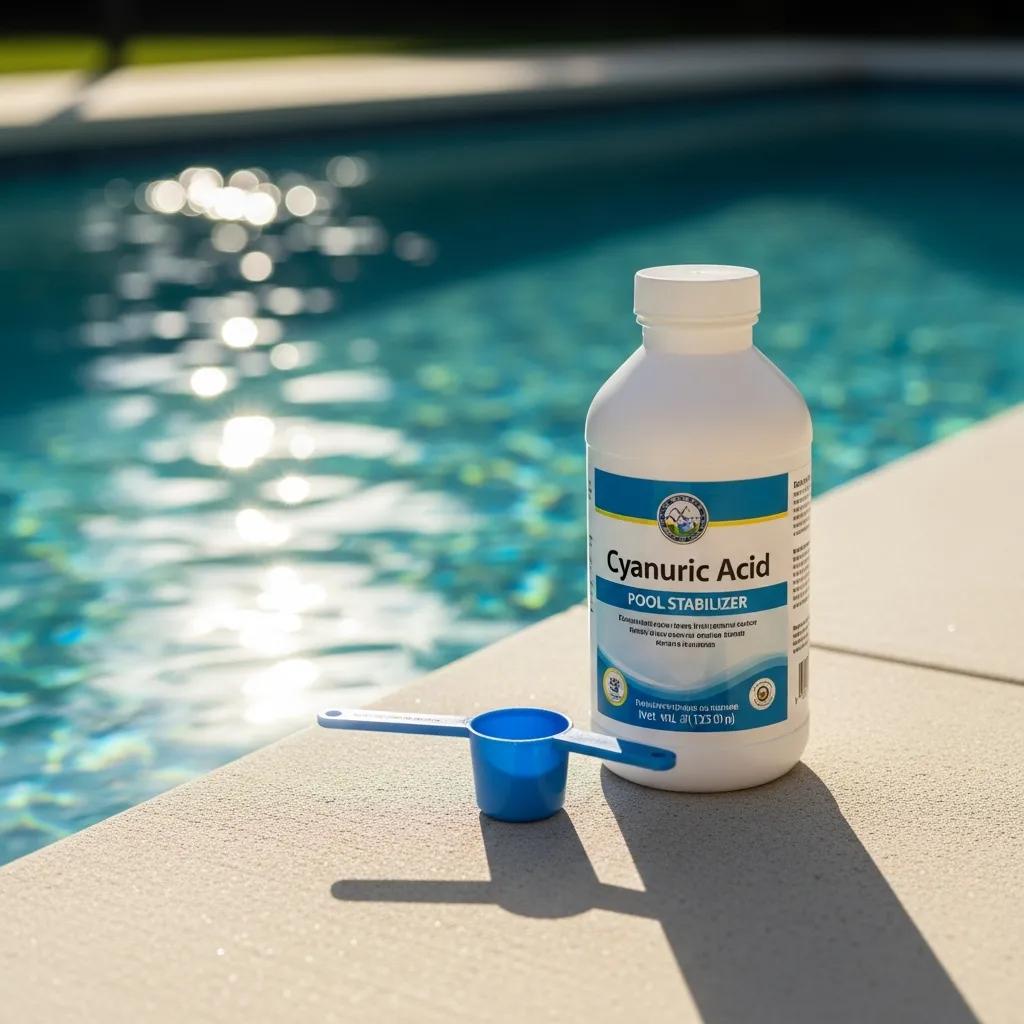
Cyanuric acid serves as a critical stabilizer for chlorine in swimming pools, helping to protect it from the harmful effects of UV radiation. By forming a protective bond with chlorine molecules, cyanuric acid reduces the rate at which chlorine is broken down by sunlight. This stabilization is particularly important for outdoor pools that are exposed to direct sunlight for extended periods.
Indeed, studies confirm the effectiveness of cyanuric acid in safeguarding chlorine from UV-induced breakdown.
Cyanuric Acid: UV Protection for Pool Chlorine
Cyanuric acid is added to swimming pools to reduce photochemical decomposition of free available chlorine (av. Cl) by ultraviolet (UV)
Effect of cyanuric acid on swimming pool maintenance, 2004
How Does Cyanuric Acid Protect Chlorine from UV Degradation?
Cyanuric acid acts as a shield for chlorine, absorbing UV rays and preventing them from directly interacting with chlorine molecules. This protective mechanism allows chlorine to remain effective for a longer duration, reducing the frequency of required additions. Pool owners can benefit from maintaining appropriate levels of cyanuric acid to enhance the longevity of their chlorine.
What is the Ideal Cyanuric Acid Level for Texas Pools?
For pools in Texas, the ideal cyanuric acid level typically ranges from 30 to 50 parts per million (ppm). Maintaining this concentration helps ensure that chlorine remains effective against UV degradation while also providing adequate sanitation. Regular testing of cyanuric acid levels is essential for optimal pool maintenance, especially in regions with high UV exposure.
The widespread adoption of cyanuric acid highlights its importance, though careful management of its concentration is key.
Cyanuric Acid as Pool Chlorine Stabilizer: Managing Levels
Cyanuric acid (CYA) is widely used as a chlorine stabilizer in swimming pools, but its potential as a practical strategy to control overstabilization without additional chemicals.
Electrochemical Anodic Oxidation Treatment of Pool Water Containing Cyanuric Acid, J Carbajo, 2025
How Can Texas Pool Owners Maintain Proper Chlorine Levels Against UV Loss?
Maintaining proper chlorine levels in the face of UV degradation requires a proactive approach. Texas pool owners can implement several effective strategies to combat chlorine loss and ensure clean, safe swimming water.
What Are Effective Pool Cleaning and Chemical Balancing Practices?
Effective pool maintenance practices include:
- Regular Testing: Test chlorine and cyanuric acid levels at least once a week to ensure they are within the recommended ranges.
- Consistent Chlorine Addition: Add chlorine regularly, especially after heavy sunlight exposure or rain, to maintain adequate sanitation.
- Use of Stabilizers: Incorporate cyanuric acid into your pool care routine to protect chlorine from UV degradation.
These practices help ensure that chlorine levels remain stable and effective throughout the swimming season.
When Should You Add Chlorine Stabilizer in Parker County Pools?
In Parker County, it is advisable to add chlorine stabilizer during the initial pool setup and after significant water changes or heavy rainfall. Signs that stabilizer levels may be low include rapid chlorine loss and increased algae growth. Regular monitoring and timely additions of cyanuric acid can help maintain optimal chlorine effectiveness.
Why Choose Professional Pool Services to Combat UV Chlorine Degradation?
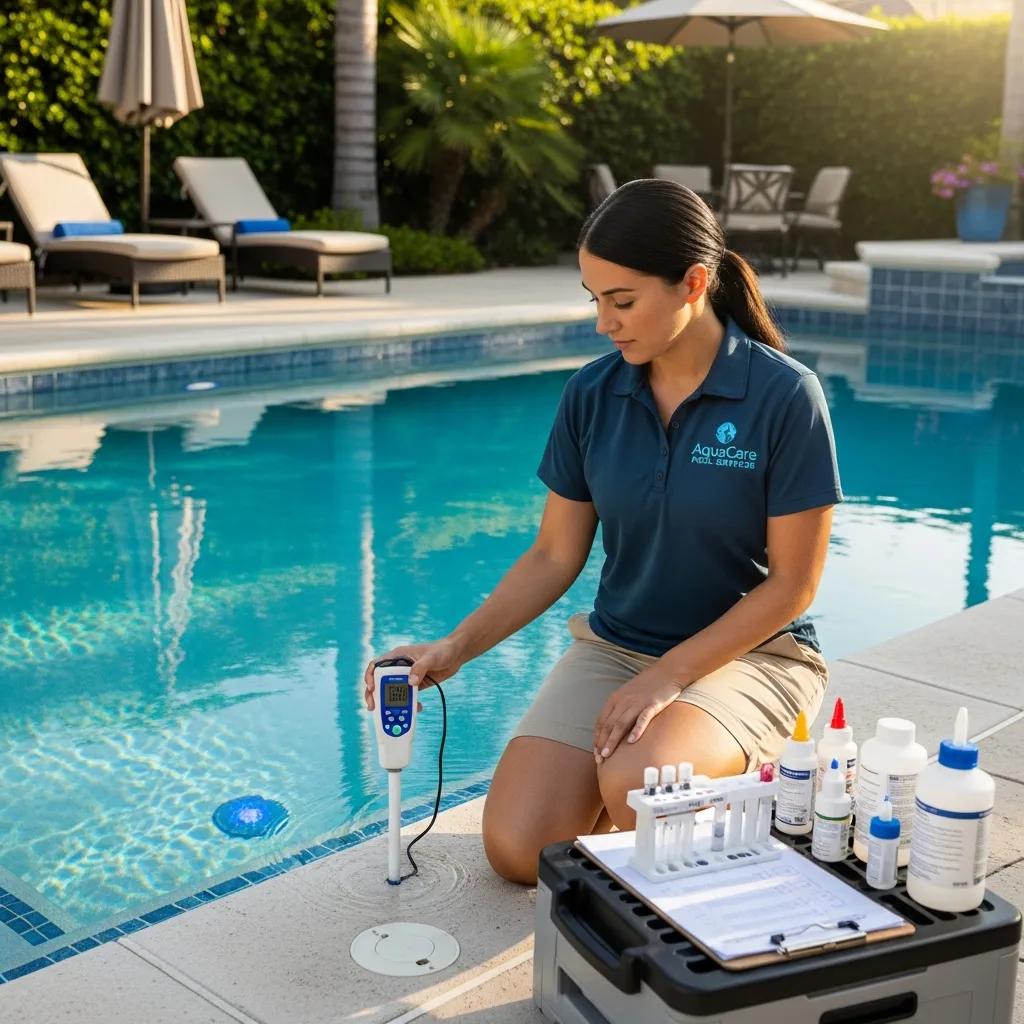
Professional pool services offer valuable expertise in managing chlorine levels and overall pool health. By utilizing their knowledge and experience, pool owners can ensure that their pools remain clean and safe for swimming.
How Do Peaster Pools’ Services Protect Your Investment in Texas?
Peaster Pools provides comprehensive pool maintenance services, including regular cleaning, chemical balancing, and equipment installation. Their expertise in managing chlorine levels and stabilizers helps protect your investment by ensuring that your pool remains in optimal condition. With their professional care, you can enjoy peace of mind knowing that your pool is well-maintained.
What Certifications and Expertise Ensure Reliable Pool Care?
Peaster Pools employs certified technicians who are knowledgeable in the latest pool care techniques and safety standards. Their expertise ensures that your pool receives the highest level of care, helping to prevent issues related to chlorine degradation and maintaining a safe swimming environment. Choosing a professional service like Peaster Pools can save you time and effort while ensuring your pool remains a safe haven for relaxation and enjoyment.