
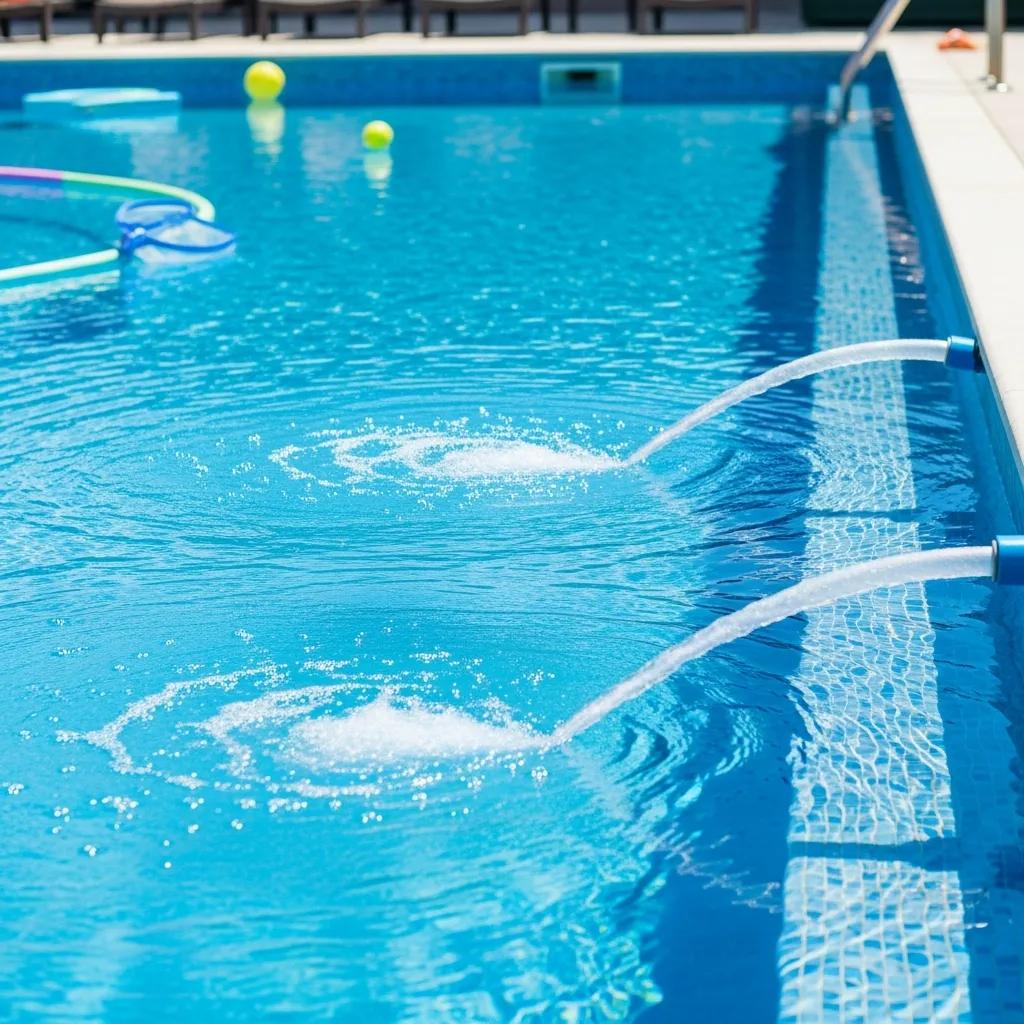
Maximizing Pool Circulation Efficiency: Why Eyeball Return Direction Matters for Optimal Flow and Dead Zone Prevention
Effective pool circulation is crucial for maintaining water quality and ensuring a safe swimming environment. One of the key factors influencing circulation efficiency is the direction of pool return jets, particularly those equipped with eyeball fittings. Understanding how to optimize the direction of these jets can significantly enhance water flow, reduce dead zones, and improve overall pool health. This article will explore the best practices for adjusting return jets, identifying and fixing circulation dead zones, and the benefits of professional hydraulic audits. Additionally, we will highlight the expertise of Peaster Pools in providing tailored solutions for pool maintenance in Parker County, Texas.
What Is the Best Direction for Pool Return Jets to Maximize Circulation?
The optimal direction for pool return jets is essential for maximizing circulation and ensuring even water distribution throughout the pool. When positioned correctly, these jets can create a circular flow pattern that helps to eliminate stagnant areas, commonly referred to as dead zones. Proper jet direction not only enhances circulation efficiency but also contributes to better water quality and reduced chemical usage.
How Eyeball Return Fittings Direct Water Flow for Efficient Circulation
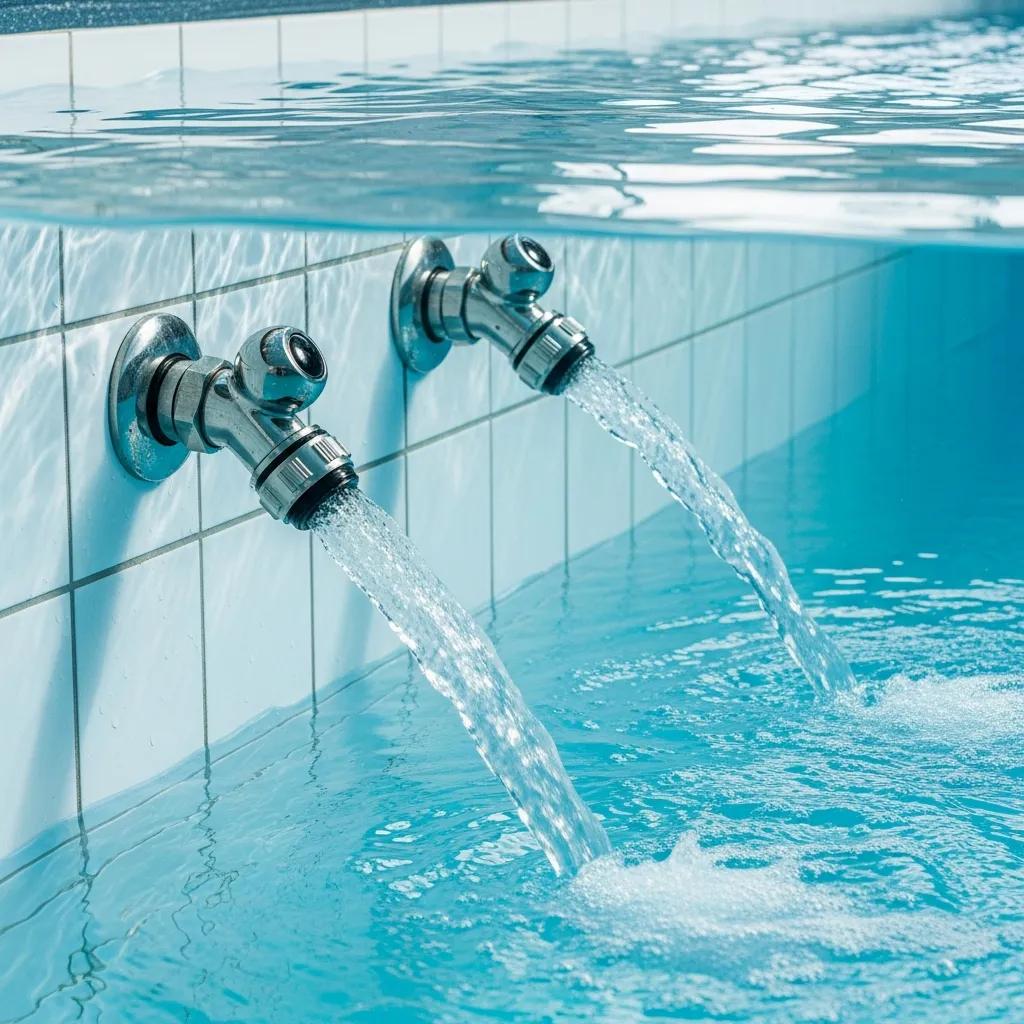
Eyeball return fittings are designed to direct water flow in specific directions, allowing for customizable circulation patterns. By adjusting the angle of these fittings, pool owners can optimize water movement to target areas that require more circulation. For instance, directing jets towards corners or steps can help prevent debris accumulation and ensure that all areas of the pool receive adequate water flow. Common issues with improperly adjusted fittings include uneven water distribution and the formation of dead zones, which can compromise pool health.
Research further emphasizes the scientific principles behind optimizing jet direction for effective pool circulation.
Optimizing Pool Jet Direction & Flow for Circulation
An experimental study on the impact of a translating two-dimensional transient jet on an initially quiescent liquid pool is studied experimentally using high-speed cinematic visualization and particle image velocimetry methods. Six jet conditions (covering a range of jet thicknesses, velocities and inclination angles relative to vertical) are considered, with measurements performed over a range of horizontal translation speeds for each jet condition.
The impact of a translating plunging jet on a pool of the same liquid, KT Kiger, 2011
Local Expertise on Adjusting Return Jets for Parker County Pools
In Parker County, local conditions such as wind patterns and pool shape can significantly affect circulation. Peaster Pools offers expert recommendations on how to adjust return jets based on these factors. For example, in pools with a lot of surrounding vegetation, directing jets towards the edges can help keep debris from settling. By utilizing local expertise, pool owners can ensure their systems are optimized for their specific environment, leading to improved circulation and maintenance.
How Can You Identify and Fix Dead Zones in Your Pool Circulation?
Identifying dead zones in pool circulation is crucial for maintaining water quality and ensuring a safe swimming environment. Dead zones are areas where water does not circulate effectively, leading to stagnant water that can harbor bacteria and algae. Recognizing the signs of these zones is the first step in addressing the issue.
Signs of Circulation Dead Zones and Their Impact on Pool Health
Common signs of circulation dead zones include visible debris accumulation, algae growth, and uneven water temperature. These indicators suggest that certain areas of the pool are not receiving adequate water flow, which can lead to health risks for swimmers. Addressing these dead zones is essential for maintaining a clean and safe pool environment.
Practical Pool Return Jet Adjustments to Eliminate Dead Zones
To eliminate dead zones, pool owners can make practical adjustments to their return jets. Here are some effective techniques:
- Adjust Jet Angles: Change the direction of the jets to target stagnant areas.
- Increase Pump Speed: Boosting the pump speed can enhance overall circulation.
- Add Additional Returns: Installing more return jets can help improve water flow in larger pools.
Implementing these adjustments can significantly improve circulation and reduce the likelihood of dead zones forming.
What Does a Professional Pool Hydraulic System Audit Involve?
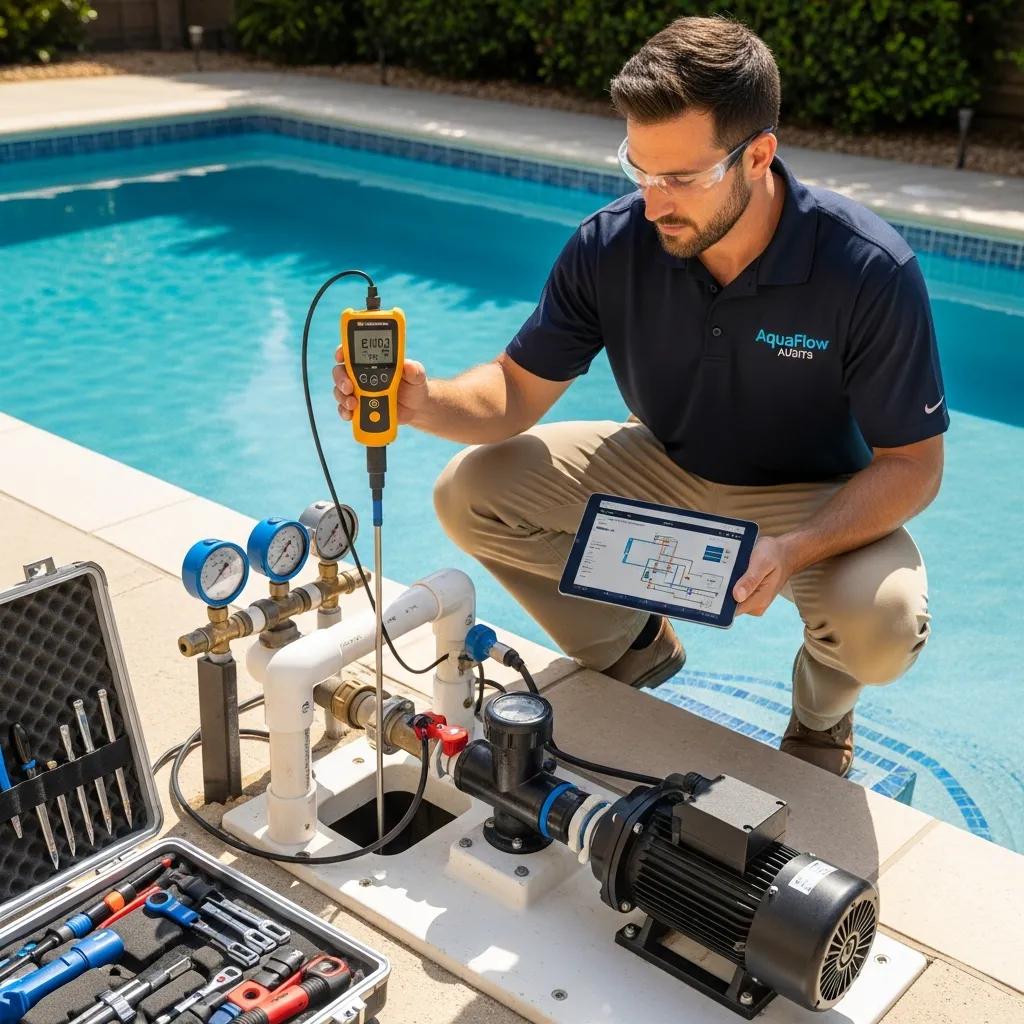
A professional pool hydraulic system audit is a comprehensive evaluation of a pool’s circulation system. This process involves assessing the efficiency of pumps, filters, and return jets to ensure optimal water flow. Regular audits are essential for maintaining pool health and preventing costly repairs.
Benefits of Hydraulic Audits for Optimizing Pool Water Flow
Hydraulic audits provide several benefits, including:
- Efficiency Improvements: Identifying inefficiencies in the system can lead to better energy use and lower utility bills.
- Cost Savings: Regular maintenance can prevent costly repairs and extend the lifespan of pool equipment.
- Enhanced Water Quality: Improved circulation leads to better chemical distribution and cleaner water.
How Peaster Pools Conducts Comprehensive Circulation Evaluations
Peaster Pools conducts thorough circulation evaluations using advanced techniques and tools. Their process includes measuring flow rates, assessing pump performance, and analyzing water chemistry. By providing detailed reports and recommendations, Peaster Pools helps pool owners make informed decisions about their maintenance strategies.
Why Choose Expert Pool Equipment Installation for Circulation Improvement?
Proper installation of pool equipment is critical for ensuring effective circulation. Expert installation ensures that all components work together seamlessly to optimize water flow and reduce maintenance issues.
Role of Eyeball Return Fittings and Pumps in Enhancing Flow Efficiency
Eyeball return fittings and high-efficiency pumps play a vital role in enhancing flow efficiency. Properly installed fittings can direct water flow effectively, while efficient pumps ensure that water circulates at the right speed. This combination is essential for maintaining a clean and healthy pool environment.
Energy Efficiency and Long-Term Savings from Proper Equipment Setup
Investing in professional installation can lead to significant energy savings over time. High-efficiency pumps and well-placed return jets reduce energy consumption, resulting in lower utility bills. Additionally, proper setup minimizes wear and tear on equipment, extending its lifespan and reducing replacement costs.
This table illustrates the key components of a hydraulic audit and their respective benefits, highlighting the importance of regular evaluations for optimal pool performance.
By understanding the significance of return jet direction and the benefits of professional services, pool owners can take proactive steps to enhance their pool’s circulation efficiency. Peaster Pools stands ready to assist with expert advice and tailored solutions for all pool maintenance needs in Parker County, Texas.