

TIONALThe True Cost of Pool Maintenance in Parker County for 2026: Comprehensive Guide to Monthly Cleaning, Repairs, and Equipment Installation
Maintaining a pool in Parker County can be a significant investment, especially as we look toward 2026. Homeowners often find themselves grappling with the true costs associated with pool maintenance, which can vary widely based on several factors including pool size, usage patterns, and local environmental conditions. This guide aims to provide a comprehensive overview of the average costs for monthly cleaning, common repairs, and equipment installation, helping homeowners make informed decisions backed by industry insights and expert recommendations. Understanding these costs is crucial for budgeting and ensuring that your pool remains a source of enjoyment rather than a financial burden. We will explore the average monthly cleaning costs, common repair expenses, and the costs associated with installing new equipment, along with insights into service contracts that can provide value and long-term savings.
What Are the Average Monthly Pool Cleaning Costs in Parker County?
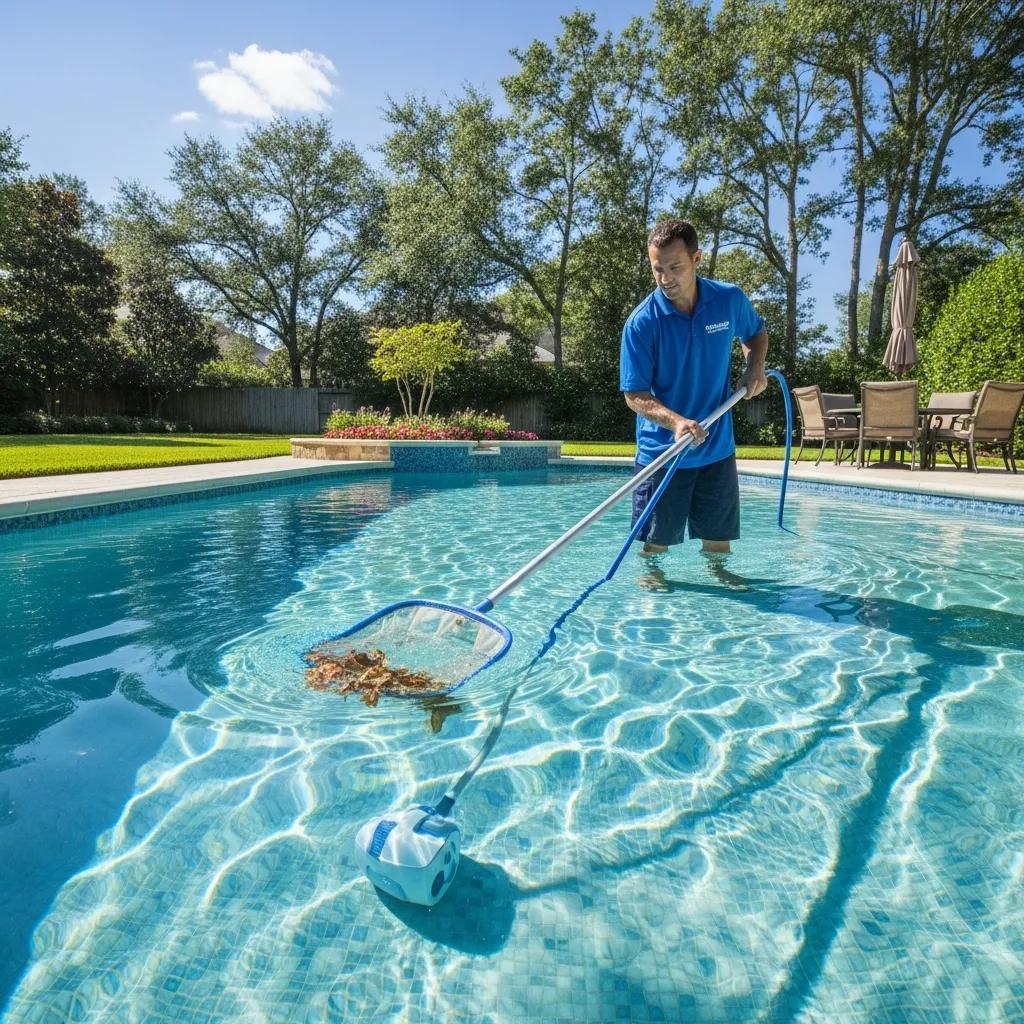
The average monthly pool cleaning costs in Parker County can vary based on several factors, including the size of the pool, the frequency of cleaning, and the specific services included. Typically, homeowners can expect to pay between $100 to $200 per month for professional cleaning services. This investment ensures that the pool remains clean, safe, and enjoyable for family and friends. It is important to note that prices may fluctuate depending on the service provider’s expertise, the complexity of the pool system, and any additional services such as algae treatment or stain removal.
How Do Local Weather Conditions Affect Cleaning Frequency and Cost?
Local weather conditions play a significant role in determining the frequency and cost of pool cleaning. For instance, during the summer months, increased debris from trees, pollen, and higher pool usage can lead to a need for more frequent cleanings. Homeowners may find that they require weekly services during peak seasons, which can increase overall costs. Conversely, during the winter months, cleaning needs may decrease, allowing for less frequent service. Additionally, unexpected weather events such as storms can necessitate emergency cleanings, impacting annual maintenance budgets.
This perspective is further supported by research highlighting the impact of climate on pool maintenance and operational planning.
Seasonal Pool Maintenance & Operational Planning
Historical climate conditions were examined to determine whether climate information could improve decisions concerning the seasonal maintenance and operations of regional outdoor swimming pools in heavily urbanised northeastern Illinois. Key weather-sensitive issues defined for pool companies concern time periods for maintenance (including pool painting), weather limits to pools being open, and hot days which extend hours of pool operation.
Enhancing swimming pool management decisions with climate information, 2002
What Is Included in Professional Monthly Pool Cleaning Services?
Professional monthly pool cleaning services typically include several essential tasks to maintain the pool’s cleanliness and safety. These services often encompass:
- Weekly Cleaning: Regular skimming, brushing, and vacuuming to remove debris, algae, and dirt buildup.
- Chemical Balancing: Ensuring that water chemistry is optimal for safety and comfort, including pH, chlorine, alkalinity, and calcium hardness levels.
- Equipment Inspection: Checking pumps, filters, heaters, and chlorinators for proper functioning and identifying potential issues early.
- Debris Management: Emptying baskets, cleaning filters, and maintaining water clarity to prevent clogging and equipment strain.
- Additional Services: Some providers may offer stain removal, algae treatment, and minor repairs as part of their packages or as add-ons.
For homeowners looking for reliable pool cleaning services, “Peaster Pools” offers tailored solutions to meet specific needs, backed by certified technicians and customer satisfaction guarantees.
What Are Common Residential Pool Repair Costs in Texas?
Common residential pool repair costs in Texas can vary significantly based on the type of repair needed. Homeowners should be prepared for expenses ranging from minor repairs, such as fixing leaks or replacing pool lights, to more significant costs associated with equipment replacement or structural repairs. On average, repair costs can range from $150 to $1,500, depending on the complexity of the issue and the parts required. It is advisable to obtain multiple quotes and ensure repairs are performed by licensed professionals to maintain pool safety and warranty compliance.
Which Repairs Are Most Frequent Among Parker County Homeowners?
Among Parker County homeowners, the most frequent repairs often include:
- Leak Detection and Repair: Identifying and fixing leaks in the pool structure, plumbing lines, or equipment connections, which can prevent water loss and higher utility bills.
- Equipment Replacement: Replacing malfunctioning pumps, filters, heaters, or automation systems to restore optimal pool operation.
- Surface Repairs: Addressing issues with pool surfaces, such as cracks, chips, or peeling plaster, which can affect aesthetics and structural integrity.
- Electrical Repairs: Fixing wiring issues related to pool lighting, pumps, or control systems to ensure safety and functionality.
These repairs are essential for maintaining the pool’s functionality and safety, and homeowners are encouraged to address them promptly to avoid further damage and increased costs.
How Does Repair Type Influence Pricing and Service Time?
The type of repair significantly influences both pricing and service time. For example, complex repairs, such as those involving major equipment failures or structural damage, can take longer and incur higher costs due to the need for specialized parts, labor, and potential permits. In contrast, routine maintenance tasks, like cleaning filters or replacing minor components, are generally quicker and less expensive. Homeowners can save money in the long run by investing in regular maintenance and timely repairs to prevent costly emergency fixes and extend the lifespan of their pool equipment.
How Much Does Pool Equipment Installation Cost in Parker County?
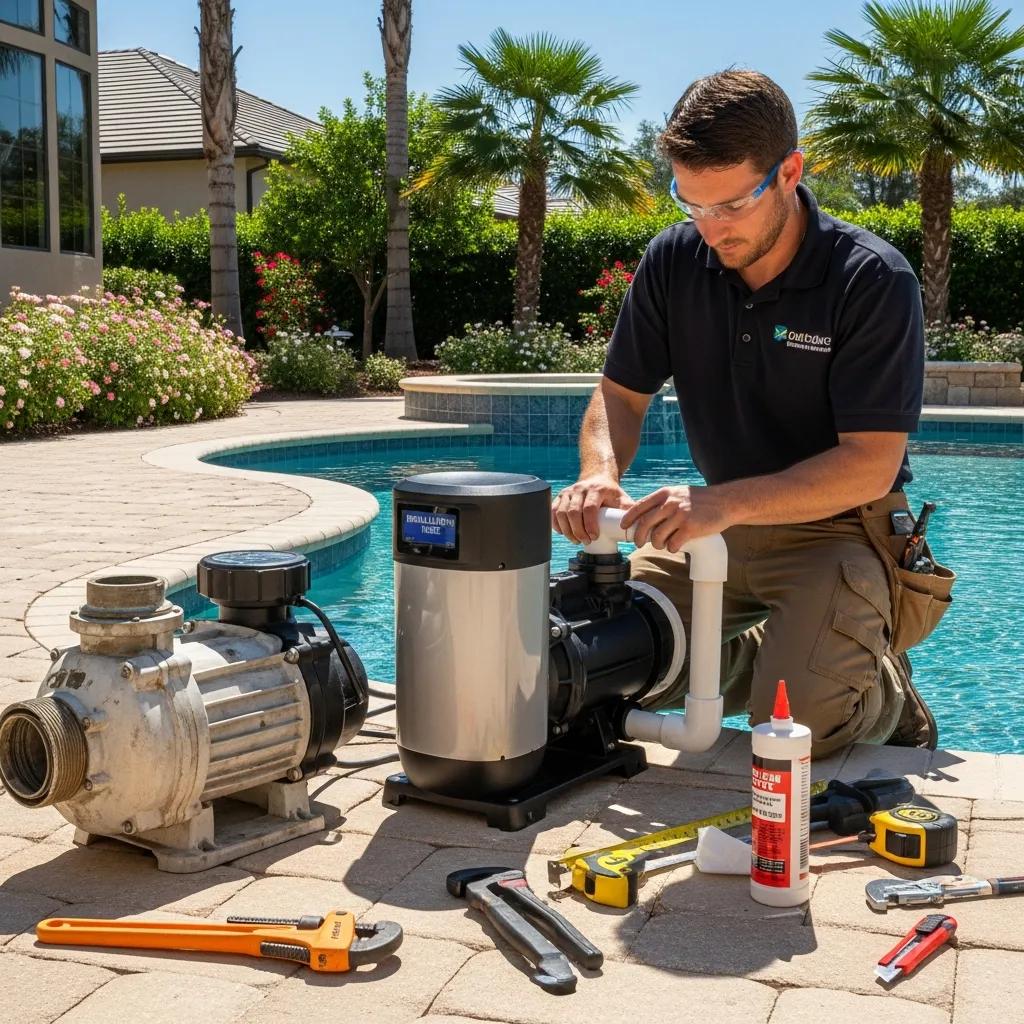
The cost of pool equipment installation in Parker County can vary widely based on the type of equipment being installed, the complexity of the pool system, and labor rates. Homeowners can expect to pay anywhere from $500 to $3,000 for new equipment installation, including pumps, filters, heaters, or automation systems. Investing in high-quality, energy-efficient equipment can enhance the pool’s efficiency, reduce operational costs, and extend the lifespan of your pool infrastructure.
What Are the Options for Upgrading Pool Equipment in 2026?
In 2026, homeowners have several advanced options for upgrading their pool equipment, including:
- Energy-Efficient Pumps: Variable-speed pumps that reduce energy consumption by adjusting flow rates based on pool needs, leading to significant savings on electricity bills.
- Smart Pool Technology: Automated systems that allow for remote monitoring and control of pool functions such as temperature, chemical levels, and cleaning schedules via smartphone apps.
- Eco-Friendly Filters: Advanced filtration systems that minimize chemical use, improve water quality, and reduce environmental impact.
- Solar Heating Systems: Renewable energy options to heat pools sustainably and reduce reliance on traditional energy sources.
These upgrades not only improve the pool’s functionality but can also lead to long-term savings on maintenance and energy costs, while contributing to environmental sustainability.
How Do Eco-Friendly and Smart Technologies Impact Installation Costs?
While eco-friendly and smart technologies may have higher initial installation costs due to advanced components and integration requirements, they often provide significant long-term savings. For instance, energy-efficient pumps can lower electricity bills by up to 70%, and smart technologies can optimize water and chemical usage, reducing waste and operational expenses. Additionally, some upgrades may qualify for local rebates or tax incentives, further offsetting upfront costs. Homeowners should consider these factors and consult with certified pool professionals to evaluate the return on investment when planning equipment upgrades.
What Service Contract Options Provide the Best Value for Pool Maintenance?
Service contracts can offer homeowners the best value for pool maintenance by bundling services at a reduced rate and providing consistent, professional care. These contracts typically cover regular cleaning, maintenance, inspections, and repairs, providing peace of mind and financial predictability. Many providers offer tiered packages to accommodate different pool sizes, usage levels, and budget considerations.
How Do Bundled Service Packages Save Money and Protect Your Investment?
Bundled service packages can save homeowners money by offering discounts for multiple services combined into one contract. For example, a package that includes monthly cleaning, quarterly equipment checks, and seasonal opening and closing services can be more cost-effective than purchasing each service separately. Additionally, these packages help protect the investment in the pool by ensuring regular maintenance, timely repairs, and professional oversight, which can prevent costly damage and extend the life of pool components.
What Should Homeowners Consider When Choosing a Pool Service Contract?
When selecting a pool service contract, homeowners should consider several key factors to ensure they receive comprehensive and reliable service:
- Service Frequency: Ensure the contract covers the necessary frequency of cleaning and maintenance based on your pool’s usage and local conditions.
- Coverage: Review what services are included, such as chemical balancing, equipment inspections, repairs, and emergency services, as well as any additional costs for repairs or upgrades.
- Provider Reputation: Research the service provider’s reputation, certifications, and customer reviews to ensure reliability, professionalism, and quality workmanship.
- Contract Flexibility: Look for contracts that allow adjustments based on seasonal needs or changes in pool usage.
- Warranty and Guarantees: Check if the provider offers guarantees on their work or warranties on parts and equipment installed.
By carefully evaluating these factors, homeowners can choose a service contract that best meets their needs, budget, and expectations, ensuring their pool remains a safe and enjoyable asset.
Conclusion
Understanding the true costs of pool maintenance in Parker County empowers homeowners to make informed decisions that enhance their enjoyment and protect their investment. By considering average cleaning costs, common repairs, and equipment installation expenses, you can budget effectively for the long term. Exploring service contracts can also provide significant savings and peace of mind through professional, consistent care. Staying informed about the latest technologies and maintenance best practices will help you optimize your pool’s performance and longevity. Take the next step in maintaining your pool by reviewing our recommended service providers today and investing in quality care that safeguards your backyard oasis.