

Why Spring Showers Cause Phosphate Spikes and Turn Your Texas Pool Green: Expert Pool Care Insights
Spring showers are a vital part of the Texas climate, replenishing water supplies and nurturing local flora. However, for pool owners, these rains can introduce a complex set of challenges that require careful attention and expert knowledge. When rainwater enters your pool, it often carries with it phosphates—nutrients that, while essential for plant life, can disrupt your pool’s delicate ecosystem by promoting algae growth. This comprehensive article delves deeply into the scientific and practical aspects of how spring rainfall leads to phosphate spikes and the subsequent greening of pool water. We will provide detailed insights into water chemistry management, advanced prevention techniques, and the advantages of professional pool maintenance services. Additionally, we will examine how regional weather patterns in Texas, particularly in Parker County and Weatherford, influence pool conditions, equipping homeowners with the knowledge to maintain crystal-clear pools throughout the spring season and beyond.
How Do Rainfall and Phosphate Spikes Affect Pool Water Chemistry in Texas?
Rainfall can dramatically alter the chemical composition of pool water, primarily by elevating phosphate concentrations. Phosphates are naturally occurring chemical compounds containing phosphorus, a key nutrient that supports the growth of algae and other aquatic plants. These compounds can enter your pool through multiple pathways, including runoff from fertilized lawns, soil erosion, decaying organic matter, and even the rainwater itself, which can carry airborne phosphates. The accumulation of phosphates in pool water creates an environment that fosters rapid algae proliferation, which not only affects the aesthetic appeal of your pool but can also compromise water safety and filtration systems. Understanding the chemical interactions and environmental factors that contribute to phosphate spikes is essential for effective pool maintenance, especially in regions like Parker County where spring rains are frequent and intense.
What Are Phosphates and How Do They Enter Your Pool After Spring Showers?
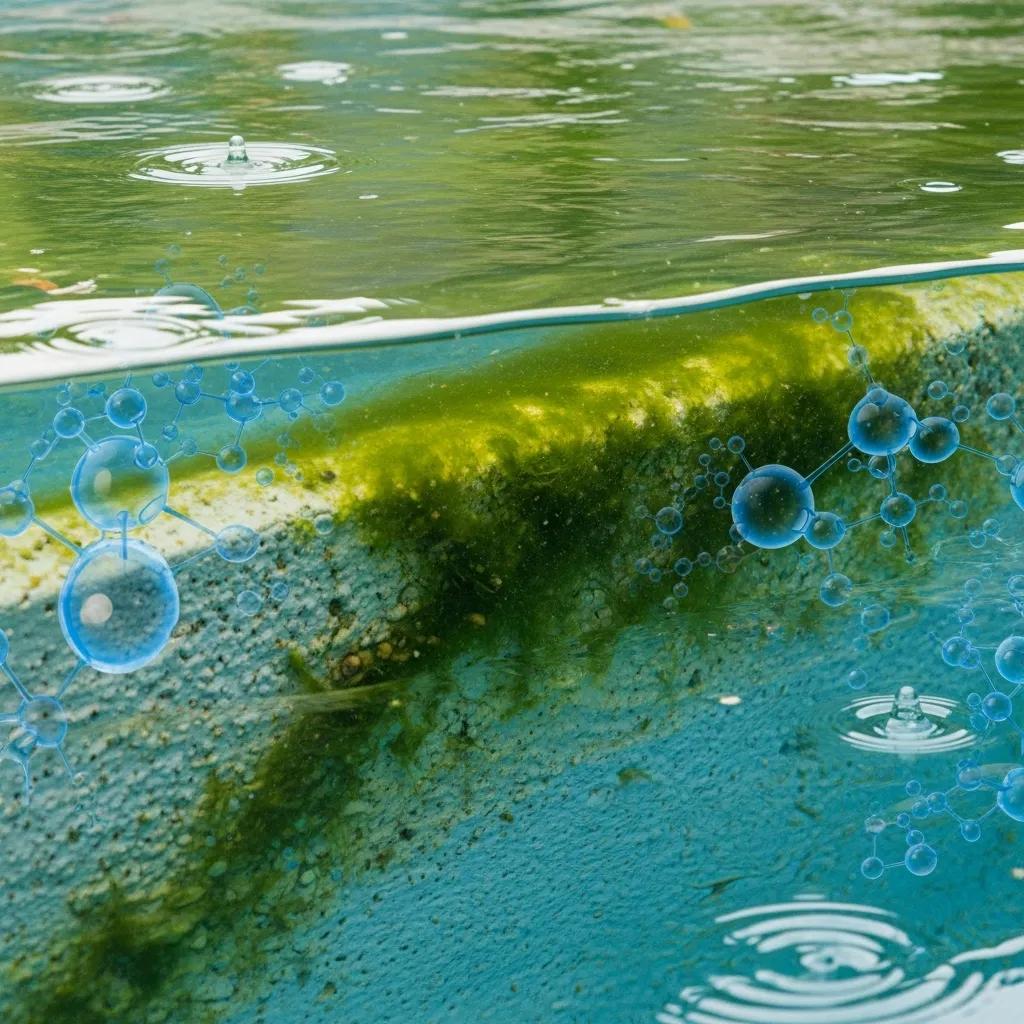
Phosphates are chemical compounds that contain phosphorus, an essential nutrient that supports the growth of plants and algae. In the context of pool water, phosphates act as a fertilizer for algae, enabling it to multiply rapidly under favorable conditions. These compounds can enter your pool through several common pathways:
- Rainwater Runoff: As rainwater flows over lawns, gardens, and agricultural fields, it picks up fertilizers, soil particles, and organic debris rich in phosphates.
- Organic Debris: Leaves, grass clippings, and other plant matter that fall into the pool decompose over time, releasing phosphates into the water.
- Environmental Sources: Dust and airborne particles containing phosphates can settle on the pool surface during and after rainstorms.
This influx of phosphates disrupts the pool’s chemical balance, making it imperative for pool owners to regularly test and manage phosphate levels to prevent algae outbreaks and maintain water clarity.
Why Do Phosphate Spikes Trigger Algae Growth in Parker County Pools?
Phosphate spikes are a primary catalyst for algae blooms in pools, particularly in warm climates like Parker County. Algae are microscopic plants that require nutrients such as phosphorus to grow. When phosphate levels rise, they provide an abundant food source that accelerates algae reproduction. Combined with the warm temperatures typical of Texas springs, these conditions create an ideal environment for algae to flourish. The result is often a rapid transformation of clear pool water into a murky green state, which can be difficult to reverse without prompt and effective intervention. This biological process not only affects the pool’s appearance but can also clog filters, reduce sanitizer effectiveness, and pose health risks if left untreated. Understanding this cause-and-effect relationship is crucial for timely and effective pool care.
For more detailed information on managing green pools, visit our comprehensive guide on green pool treatment.
What Are the Best Practices to Prevent Green Pool Algae After Rain in Texas?
Preventing algae growth following spring rains requires a strategic approach that combines vigilant monitoring, routine maintenance, and the use of targeted cleaning techniques. Pool owners should adopt a proactive mindset, testing water chemistry frequently—especially after heavy rainfall—to detect and address phosphate spikes before they lead to algae blooms. Implementing these best practices can significantly reduce the risk of green water and ensure your pool remains inviting and safe for swimmers.
Which Pool Cleaning Techniques Effectively Control Algae and Phosphates?
Effective pool cleaning techniques are essential for controlling algae and phosphate levels. The following methods are widely recognized by pool care professionals for their efficacy:
- Regular Skimming: Consistently removing leaves, twigs, and other debris from the water surface prevents organic matter from decomposing and releasing phosphates into the pool.
- Vacuuming: Routine vacuuming of the pool floor and walls eliminates settled debris and algae spores, reducing nutrient availability.
- Chemical Treatments: The application of algaecides specifically formulated to target algae, combined with phosphate removers that bind and precipitate phosphates, helps maintain low nutrient levels and inhibits algae growth.
- Shock Treatments: Periodic shock chlorination raises sanitizer levels temporarily to kill algae and bacteria, restoring water clarity.
Incorporating these techniques into a regular maintenance schedule ensures a clean, healthy swimming environment and minimizes the likelihood of algae outbreaks.
How Can Pool Equipment Upgrades Help Maintain Balanced Water Chemistry?
Investing in modern pool equipment can significantly enhance your ability to maintain balanced water chemistry and prevent phosphate-related issues. Advanced filtration systems, such as high-efficiency sand or cartridge filters, improve water circulation and remove fine particles that contribute to nutrient buildup. Additionally, automated chemical feeders and controllers provide precise dosing of sanitizers and phosphate removers, ensuring consistent water quality without manual intervention. Ultraviolet (UV) and ozone sanitation technologies offer supplementary disinfection methods that reduce reliance on chemicals and inhibit algae growth. These equipment upgrades not only improve water clarity and safety but also reduce long-term maintenance costs by minimizing chemical consumption and extending the lifespan of pool components.
How Can Professional Pool Cleaning Services in Weatherford, TX, Help After Rainstorms?

Heavy rainstorms can overwhelm even the most diligent pool owners, introducing large amounts of phosphates and organic debris that challenge standard maintenance routines. Professional pool cleaning services in Weatherford, TX, offer specialized expertise and equipment designed to address these issues efficiently and effectively. These services typically include comprehensive pool inspections, deep cleaning, phosphate testing and removal, algae treatment, and chemical balancing tailored to the specific conditions of your pool and local environment. By leveraging professional knowledge and advanced technology, these experts can restore your pool to optimal condition quickly, preventing long-term damage and ensuring a safe swimming environment.
What Phosphate Removal and Algae Treatment Services Does Peaster Pools Offer?
Peaster Pools provides a full suite of phosphate removal and algae treatment services aimed at maintaining pristine pool conditions throughout the spring and summer months. Their approach includes:
- Advanced Phosphate Testing: Utilizing precise testing equipment to accurately measure phosphate levels and identify potential problem areas.
- Targeted Chemical Treatments: Applying high-quality phosphate removers and algaecides that effectively eliminate nutrients and inhibit algae growth.
- Comprehensive Cleaning: Employing professional-grade vacuuming, brushing, and filtration techniques to remove debris and algae spores.
- Preventive Maintenance Plans: Offering customized maintenance schedules that anticipate seasonal challenges and keep pools in peak condition.
By choosing Peaster Pools, homeowners benefit from expert care that combines scientific knowledge with practical solutions, ensuring their pools remain clear, safe, and enjoyable.
Why Choose Local Experts for Reliable Pool Care in Parker County?
Engaging local pool care professionals like Peaster Pools offers distinct advantages rooted in their intimate understanding of Parker County’s unique environmental and climatic conditions. Local experts are familiar with the seasonal weather patterns, common sources of phosphate contamination, and typical algae species prevalent in the area. This knowledge enables them to tailor maintenance and treatment plans that address specific regional challenges effectively. Furthermore, local service providers offer prompt response times, personalized customer service, and ongoing support, fostering long-term relationships that help pool owners maintain optimal water quality year-round. Their expertise ensures that your investment in your pool is protected and that you can enjoy your outdoor space with confidence and peace of mind.
What Role Does Local Weather Play in Pool Algae and Phosphate Levels?
Local weather patterns are a critical factor influencing pool water quality, particularly regarding algae proliferation and phosphate accumulation. Understanding these patterns allows pool owners to anticipate potential water chemistry fluctuations and implement timely interventions to maintain balance.
How Do Texas Spring Showers Increase Phosphate Contamination in Pools?
Texas spring showers often bring sudden and heavy rainfall that mobilizes phosphates from various sources into pool water. Runoff from fertilized lawns, agricultural fields, and landscaped areas carries fertilizers and organic matter rich in phosphorus compounds directly into pools. Additionally, the increased moisture accelerates the decomposition of organic debris already present in the pool, further elevating phosphate levels. This seasonal influx of nutrients creates a spike in phosphate concentration that can overwhelm standard pool maintenance efforts if not addressed promptly. Monitoring rainfall events and adjusting cleaning and chemical treatment schedules accordingly are essential strategies for mitigating phosphate contamination during this period.
What Are the Seasonal Trends in Algae Blooms and Pool Water Quality?
Algae blooms and fluctuations in pool water quality exhibit clear seasonal trends, with the highest risk occurring during the warmer months of spring and summer. As temperatures rise, algae metabolism and reproduction rates increase, especially when combined with elevated phosphate levels following rainstorms. These conditions often lead to visible algae blooms, cloudy water, and increased demand for sanitizers. Conversely, cooler months typically see reduced algae activity and more stable water chemistry. Understanding these seasonal dynamics enables pool owners to plan maintenance activities proactively, such as increasing the frequency of water testing, chemical adjustments, and cleaning during high-risk periods to maintain optimal water quality year-round.
Conclusion
Maintaining a clean, clear, and inviting pool in Texas requires a thorough understanding of how spring showers impact phosphate levels and promote algae growth. By adopting a comprehensive approach that includes regular water chemistry monitoring, effective cleaning techniques, strategic equipment upgrades, and professional pool care services, homeowners can successfully combat the challenges posed by seasonal weather patterns. Proactive maintenance and expert intervention not only preserve the aesthetic and functional quality of your pool but also ensure a safe and enjoyable swimming environment for your family and guests. Discover how Peaster Pools’ specialized services and local expertise can help you achieve and sustain optimal pool conditions throughout the year.