
Protecting Your Pool’s Plaster: Essential Maintenance and Repair Strategies for Texas Homeowners
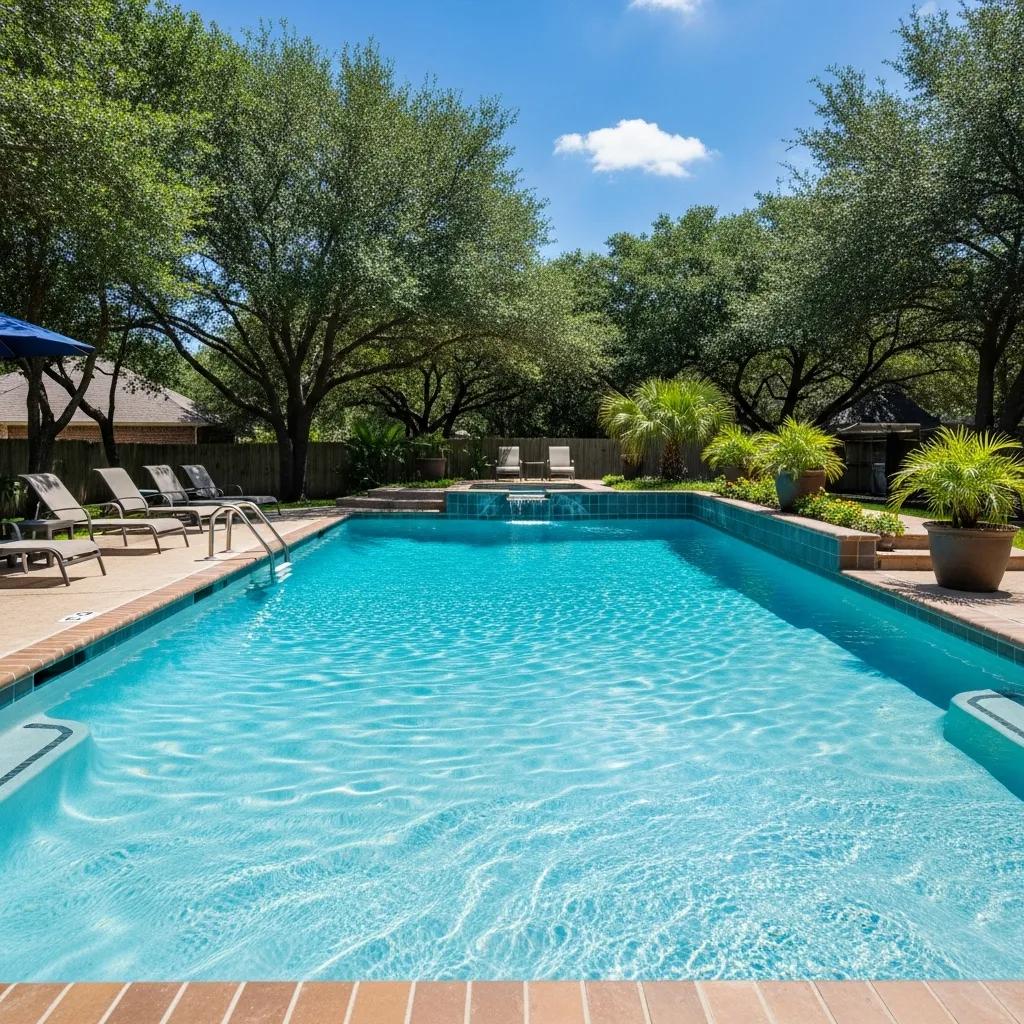
Maintaining the integrity of your pool’s plaster is crucial for ensuring its longevity and aesthetic appeal. Pool plaster serves as the surface layer of your pool, providing both functionality and beauty. In this article, we will explore essential maintenance and repair strategies specifically tailored for Texas homeowners, focusing on the unique challenges posed by the local climate. By understanding the types of pool plaster, the impact of weather, and the best practices for maintenance, you can protect your investment and enjoy a pristine swimming environment for years to come. We will cover common vulnerabilities of pool plaster, maintenance frequency, signs that professional help is needed, and the benefits of local expertise in pool care.
What Are the Common Types and Vulnerabilities of Pool Plaster in Texas?
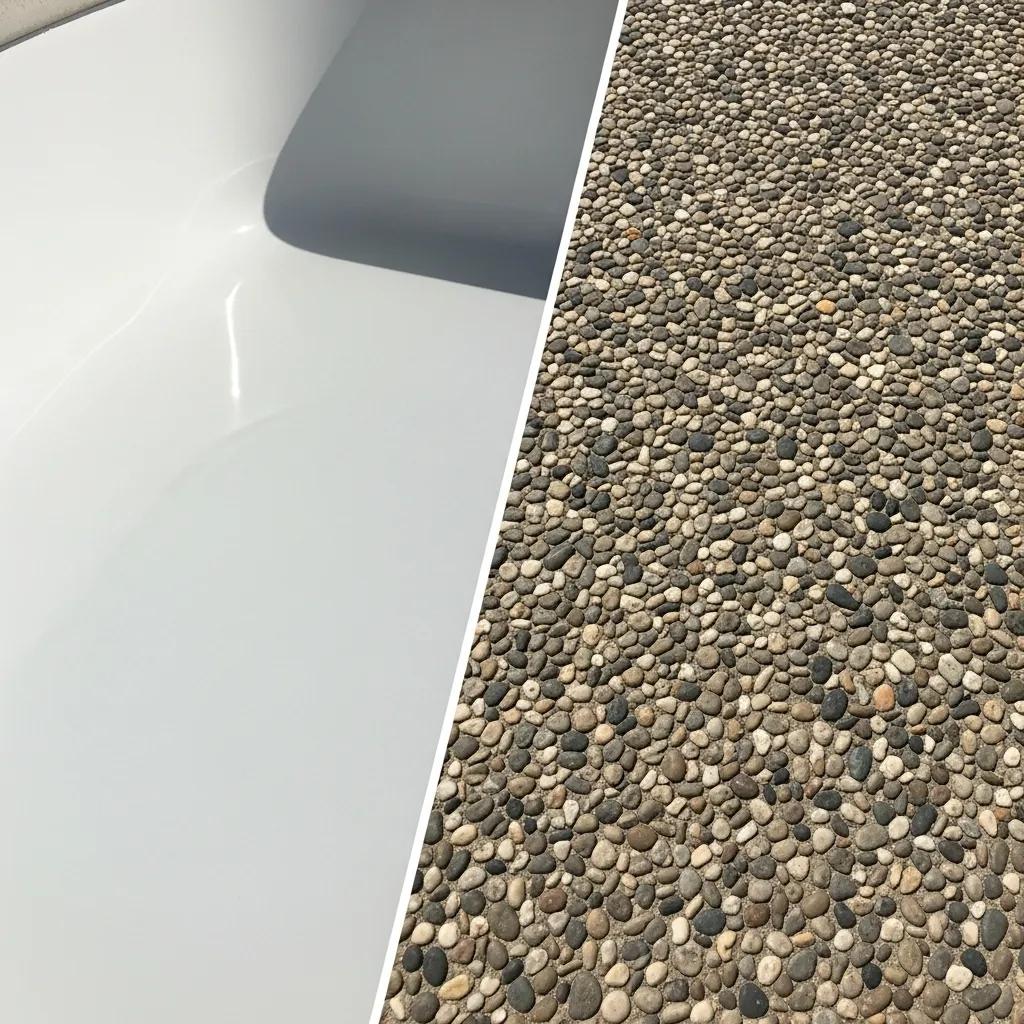
Pool plaster is primarily composed of cement, sand, and water, creating a smooth surface that enhances the pool’s appearance. However, various types of plaster finishes, such as traditional white plaster and pebble finishes, have distinct vulnerabilities. Traditional plaster is prone to cracking and staining, especially in areas with high temperatures and fluctuating water chemistry. In contrast, pebble finishes, while more durable, can still suffer from issues like discoloration and rough texture due to environmental factors.
How Does Pebble Finish Differ from Traditional Pool Plaster?
Pebble finish differs from traditional plaster in both texture and durability. While traditional plaster offers a smooth surface, pebble finishes incorporate small stones, providing a more textured feel. This texture not only enhances grip but also increases durability against wear and tear. However, pebble finishes require specific maintenance techniques to prevent algae growth and staining, making it essential for homeowners to understand the unique care requirements of their chosen plaster type.
What Weather Factors Affect Pool Plaster Longevity in Parker County?
In Parker County, the weather plays a significant role in the longevity of pool plaster. High temperatures can accelerate the drying process of plaster, leading to cracks if not properly maintained. Additionally, heavy rains can introduce debris and chemicals into the pool, affecting water balance and causing staining. Seasonal changes, including temperature fluctuations, can also contribute to the expansion and contraction of plaster surfaces, further increasing the risk of damage. Understanding these weather factors is crucial for effective maintenance.
How Often Should You Perform Pool Plaster Maintenance in Texas?
Regular maintenance is vital for preserving the integrity of your pool plaster. Homeowners should aim to inspect their pool plaster at least once a month, looking for signs of wear such as discoloration, rough patches, or cracks. Additionally, a thorough cleaning should be performed every 1-2 weeks to prevent buildup of algae and debris.
What Are Best Practices for Residential Pool Plaster Sealing in Parker County?
Sealing your pool plaster is an essential step in protecting it from the elements. Best practices for sealing include:
- Choose the Right Sealant: Opt for a high-quality sealant specifically designed for pool plaster.
- Timing: Apply sealant during dry weather to ensure proper adhesion.
- Frequency: Reapply sealant every 1-3 years, depending on wear and environmental conditions.
These practices help maintain the plaster’s appearance and extend its lifespan.
Which Cleaning Techniques Protect Your Pool Surface Effectively?
Effective cleaning techniques are crucial for maintaining pool plaster. Recommended methods include:
- Brushing: Regularly brush the plaster surface to remove algae and debris.
- Vacuuming: Use a pool vacuum to eliminate dirt and sediment that can cause staining.
- Water Chemistry Management: Regularly test and balance the pool water to prevent chemical damage to the plaster.
Implementing these techniques will help keep your pool surface in optimal condition.
When Should You Call Professionals for Pool Plaster Repair Services in Texas?
Recognizing when to call in professionals for pool plaster repair is essential for preventing further damage. Homeowners should be vigilant for signs of significant wear or damage.
What Are the Signs Your Pool Plaster Needs Immediate Repair?
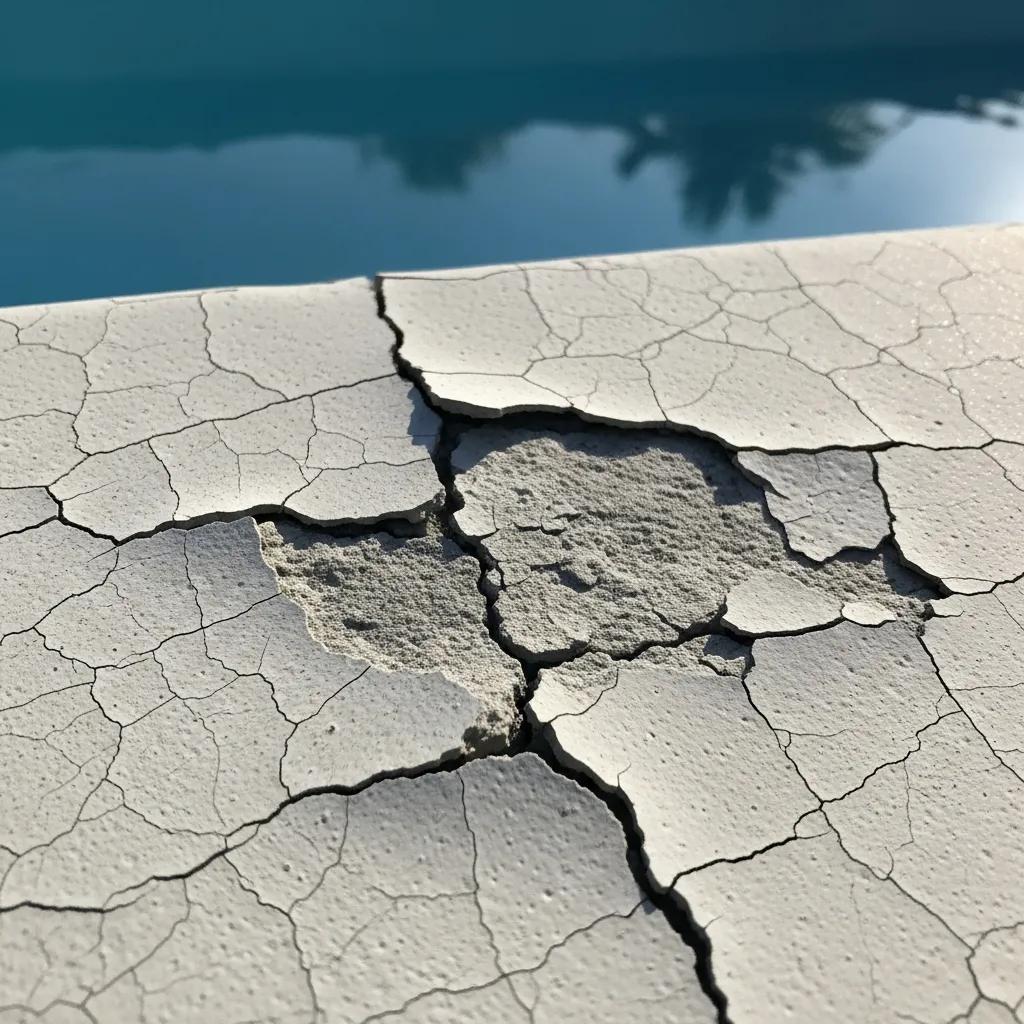
Signs that your pool plaster requires immediate attention include:
- Cracks and Chips: Visible cracks or chips can lead to further deterioration if not addressed promptly.
- Peeling and Blistering: These issues indicate that the plaster is losing its bond with the underlying surface.
- Staining and Rough Texture: Persistent stains or rough patches can affect both the appearance and safety of the pool.
Addressing these signs quickly can save homeowners from costly repairs down the line.
How Does Equipment Installation Impact Pool Plaster Longevity?
The installation of pool equipment, such as pumps and filters, can significantly impact the longevity of pool plaster. Proper installation ensures that water circulation is optimized, reducing the risk of stagnant water that can lead to algae growth and staining. Additionally, using equipment that is compatible with the pool’s plaster type can prevent unnecessary wear and tear.
How Can Local Expertise Enhance Pebble Finish Pool Care in Weatherford?
Local expertise is invaluable when it comes to maintaining pebble finish pools. Professionals familiar with the specific challenges posed by the Weatherford climate can provide tailored maintenance strategies that enhance the longevity of your pool’s surface.
Why Choose Peaster Pools for Pool Surface Protection in Parker County?
Peaster Pools is a specialized pool service provider focused on residential pools in Parker County, Texas. With a commitment to quality service, Peaster Pools offers expert pool cleaning, repair, and equipment installation services. Their local knowledge ensures that your pool receives the best care tailored to the unique environmental conditions of the area.
What Customer Satisfaction and Certifications Support Our Services?
Peaster Pools prides itself on customer satisfaction, backed by numerous positive testimonials and industry certifications. Their team is dedicated to providing reliable and effective pool maintenance solutions, ensuring that your pool remains a beautiful and safe environment for your family.
Conclusion
Protecting your pool’s plaster is essential for maintaining its beauty and longevity, especially in the challenging Texas climate. By implementing regular maintenance, choosing the right sealants, and recognizing when to call professionals, you can ensure your pool remains in optimal condition. Trusting local experts like Peaster Pools can provide tailored solutions that enhance your pool’s durability and aesthetic appeal. Discover how our specialized services can help you maintain a pristine swimming environment today.