

Is My Pool Leaking or Is It Just Texas Evaporation? Expert Pool Leak Detection in Weatherford for Peace of Mind
As a pool owner in Texas, understanding the difference between a pool leak and natural evaporation is crucial for maintaining your pool’s health and efficiency. With the hot Texas summers, many homeowners may notice a drop in their pool’s water level, leading to concerns about potential leaks. This article will guide you through the signs of a leak, typical evaporation rates, and how to effectively detect leaks in your pool. By the end, you’ll have a clearer understanding of whether your pool is losing water due to evaporation or if there’s a more serious issue at hand. We will also explore expert pool leak detection services available in Weatherford, ensuring you have the resources needed for peace of mind.
Signs of a Leak:
Identifying the signs of a pool leak is essential for timely intervention. A few key indicators include:
- Water Loss: If your pool is losing more than a quarter-inch of water per day, it may indicate a leak.
- Visible Damage: Look for cracks or damage around the pool area, which can signal underlying issues.
- Increased Water Bills: A sudden spike in your water bill can suggest that your pool is leaking.
Recognizing these signs early can help prevent more extensive damage and costly repairs.
Typical Summer Evaporation Rates:
Understanding typical evaporation rates during the Texas summer can help you differentiate between evaporation and a potential leak. On average, pools in Texas can lose about 1/4 to 1 inch of water per day due to evaporation, depending on factors such as temperature, humidity, and wind conditions.
Monitoring your pool’s water level regularly can help you establish a baseline for normal evaporation rates. If you notice a significant drop beyond these averages, it may be time to investigate further.
Expert Pool Leak Detection Services in Weatherford:
When it comes to pool leak detection, professional services can provide the expertise and technology needed to accurately identify leaks. Peaster Pools offers advanced leak detection services that utilize state-of-the-art equipment to pinpoint the source of water loss. Their trained technicians follow a systematic process to ensure thorough inspections, providing homeowners with peace of mind.
For estimates and inquiries, you can contact Peaster Pools at (817) 757-3850.
How Does Texas Summer Evaporation Affect Pool Water Levels?
During the hot summer months in Texas, evaporation can significantly impact your pool’s water levels. The combination of high temperatures and low humidity can lead to increased evaporation rates, making it essential for pool owners to monitor their water levels closely.
Regularly checking your pool’s water level can help you determine if the loss is due to evaporation or if there is a leak that needs addressing. Understanding these dynamics is crucial for effective pool maintenance.
What Are Typical Summer Pool Evaporation Rates in Texas?
In Texas, the average evaporation rate for pools can range from 1/4 to 1 inch per day. Factors influencing these rates include:
- Temperature: Higher temperatures increase evaporation.
- Wind: Wind can accelerate water loss by increasing surface evaporation.
- Humidity: Lower humidity levels contribute to higher evaporation rates.
By being aware of these factors, you can better assess whether your pool’s water loss is typical or indicative of a leak.
How to Differentiate Between Evaporation and Actual Water Loss
Differentiating between evaporation and a leak can be challenging. Here are some methods to help you determine the cause of water loss:
- Water Loss Test: Mark the water level and check it after 24 hours. If the level drops significantly, it may indicate a leak.
- Pressure Testing: This method involves checking the plumbing lines for leaks.
- Dye Testing: Adding dye to the pool can help identify leaks by observing where the dye flows.
These methods can provide valuable insights into the nature of your pool’s water loss.
What Are the Clear Signs That Indicate a Pool Leak?
Clear signs that your pool may have a leak include:
- Water Loss: Noticeable drops in water levels beyond normal evaporation rates.
- Wet Spots: Puddles or wet areas around the pool can indicate a leak.
- Equipment Issues: Problems with pool equipment, such as pumps or filters, may also suggest a leak.
Being vigilant about these signs can help you address potential leaks before they escalate.
Which Symptoms Suggest Your Pool May Have a Leak?
Symptoms that may indicate a pool leak include:
- Increased Water Usage: A sudden increase in water consumption can signal a leak.
- Visible Damage: Cracks or damage around the pool area.
- Unexplained Water Loss: If you notice water loss without a clear explanation, it may be time to investigate.
Recognizing these symptoms early can save you time and money in repairs.
How Does Unexplained Water Loss Signal a Leak?
Unexplained water loss can be a significant indicator of a pool leak. Common causes of pool leaks include:
- Cracks in the Pool Structure: Damage to the pool’s surface can lead to water loss.
- Issues with Plumbing Lines: Leaks in the plumbing can cause significant water loss.
- Equipment Malfunctions: Problems with pool equipment can also contribute to water loss.
Understanding these causes can help you take appropriate action to address leaks.
How Can Homeowners Test Their Pools for Leaks at Home?
Homeowners can perform several tests to check for leaks in their pools:
- Water Loss Test: Mark the water level and check it after 24 hours.
- Pressure Testing: Assess the plumbing lines for leaks.
- Dye Testing: Use dye to identify leaks in the pool structure.
These DIY methods can help you determine if your pool is leaking before calling in professionals.
What Are Step-by-Step Methods to Perform a DIY Pool Leak Test?
To perform a DIY pool leak test, follow these steps:
- Bucket Test: Fill a bucket with water and place it on the pool steps. Mark the water level inside the bucket and the pool.
- Monitor Levels: After 24 hours, compare the water levels. If the pool water level drops more than the bucket, you may have a leak.
- Inspect for Visible Signs: Look for cracks or wet spots around the pool area.
This simple test can help you identify potential leaks without professional assistance.
When Should You Stop DIY Testing and Call Professionals?
If your DIY tests indicate a significant leak or if you notice persistent water loss, it may be time to call in professionals. Signs that you should seek expert help include:
- Serious Leaks: If you suspect a major leak, professional assessment is crucial.
- Limitations of DIY Testing: DIY methods may not detect all types of leaks.
- Benefits of Professional Services: Experts have the tools and experience to accurately identify and repair leaks.
Seeking professional help can save you time and prevent further damage to your pool.
Even with various inspection technologies available, pinpointing the exact location of a pool leak, especially in liners, can prove to be a complex task.
Challenges in Locating Pool Liner Leakage
leakage localization in pool liners remains challenging in practice despite the apparent availability of inspection technologies.
Methods for Locating Pool Liner Leakage at Nuclear Power Plants: A Review and Experimental Evaluation of Inspection Techniques for Underwater and …, 2026
Why Choose Professional Pool Leak Detection Services in Weatherford?
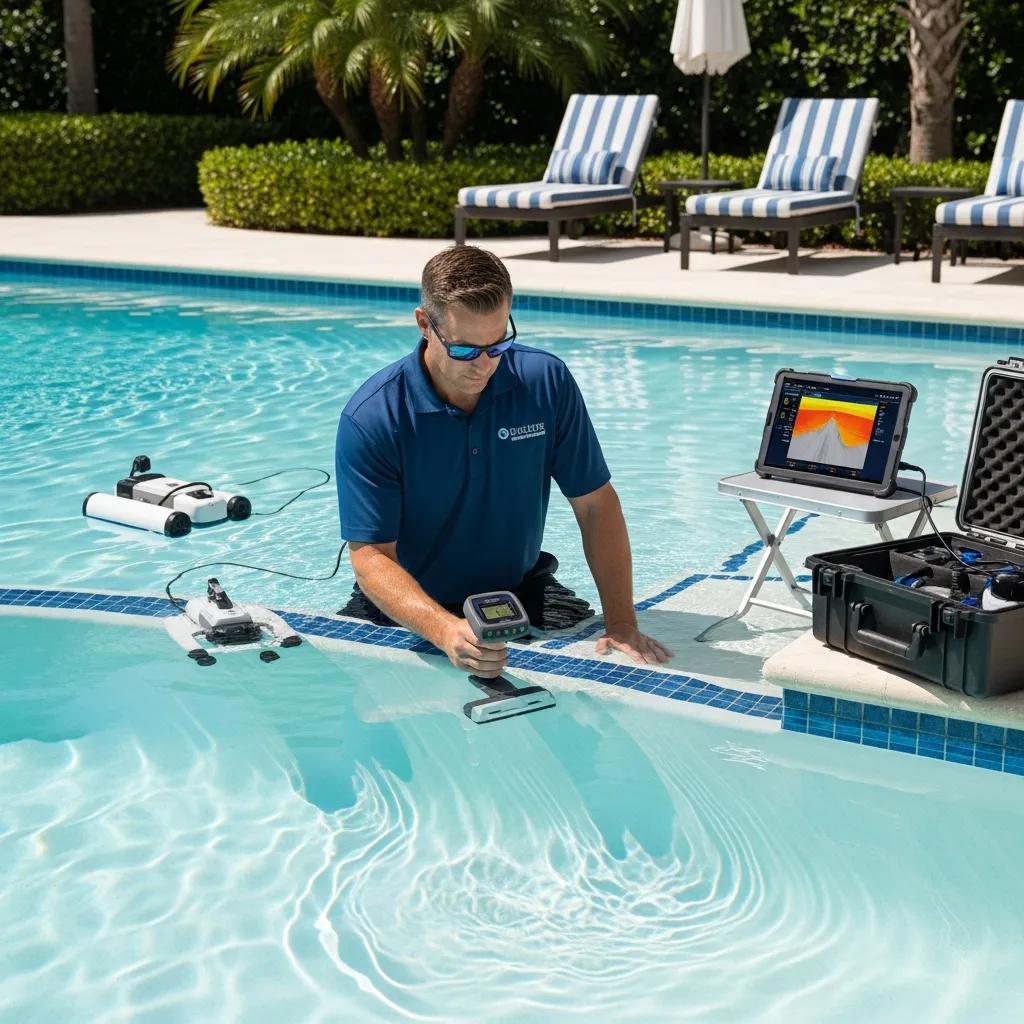
Choosing professional pool leak detection services offers several advantages:
- Expertise and Technology: Professionals use advanced equipment to accurately detect leaks.
- Cost-Effectiveness: Early detection can save you money on repairs.
- Peace of Mind: Knowing your pool is leak-free allows you to enjoy your investment fully.
Investing in professional services can ensure your pool remains in optimal condition.
How Do Experts Detect Pool Leaks Using Advanced Equipment?
Experts utilize various advanced techniques to detect pool leaks, including:
- Sonar Scanning: This method uses sound waves to locate leaks in the pool structure.
- Pressure Testing: Assessing plumbing lines for leaks.
- Thermal Imaging: Detecting temperature differences that may indicate leaks.
These methods provide accurate and efficient leak detection, ensuring your pool is well-maintained.
What Are the Benefits of Professional Leak Detection and Repair?
The benefits of professional leak detection and repair include:
- Accurate Leak Detection: Professionals can identify leaks that may go unnoticed by homeowners.
- Cost Savings: Early detection can prevent costly repairs down the line.
- Water Conservation: Addressing leaks helps conserve water and reduce utility bills.
Utilizing professional services can enhance your pool’s longevity and efficiency.